Does Watching Videos in a Dark Room Make Eye Strain Worse?
When winding down after a long day, many of us reach for our phones to watch a few videos—sometimes in a perfectly dark room. But does this habit increase eye strain? The answer isn’t as straightforward as you might think. Understanding how your viewing environment affects screen comfort, plus applying practical tips to manage your screen time, can help you enjoy your leisure without sacrificing your visual health.
The Myth of Eye Strain in Dark Rooms
Common wisdom suggests that watching videos in a completely dark room worsens eye strain. While it’s true that your eyes work harder when transitioning between bright screen light and pitch black surroundings, the reality is more nuanced. The irritation often comes from contrast shock—your pupils dilating in the dark and then being hit by a bright screen. This rapid adjustment can cause discomfort and tiredness.
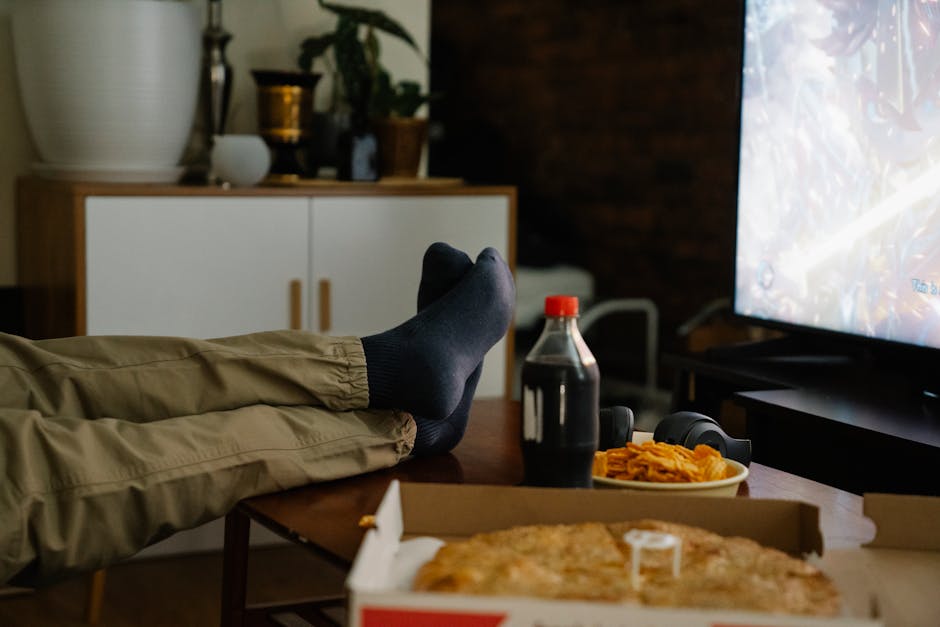
But does this mean you should avoid watching videos at night in a dark room entirely? Not necessarily. You can build habits around brightness and environment that enhance comfort without needing harsh overhead lighting or multiple lamps.
Why Completely Dark Rooms Are Not Ideal
Watching videos in a completely black room actually forces your eyes to constantly adapt from darkness to the bright screen, which leads to more strain for some people. Your pupils dilate in the dark, which lets in more light, making the screen feel even https://bizzmarkblog.com/does-watching-videos-in-a-dark-room-make-eye-strain-worse/ more glaring.
- High contrast: The extreme difference between the screen’s brightness and the darkness around you can tire eye muscles.
- Blue light exposure: Blue light waves from screens can disrupt sleep rhythms, especially when your eyes are more sensitive in low ambient lighting.
Here's a story that illustrates this perfectly: was shocked by the final bill.. However, this doesn’t mean turning on every light. Instead, try these brightness habits:
- Use a soft, indirect light source behind your screen (bias lighting) to reduce contrast.
- Lower your screen brightness to match the ambient light.
- Activate night mode or blue light filters in the evening.
Intentional Leisure vs. Passive Scrolling
One of the biggest contributors to eye strain isn’t just where you watch, but how you watch. There’s a big difference between intentional leisure like thoughtfully watching a few curated videos, versus passive scrolling that drags on for hours without a break.
Think about it: mobile browser-based gaming or video watching that doesn’t require installing extra apps can tempt you into long sessions, often with no clear stopping point. To balance this, try these strategies:
- Set visible time boundaries. For example, decide you’ll watch videos only until the end of the next episode or for exactly 30 minutes.
- Use timers or alarms. Instead of relying on willpower, set a timer when you start watching to remind yourself to take breaks.
Movement Breaks to Reduce Sedentary Time
Eye strain isn’t just about your eyes working hard. Sitting for long periods can add to discomfort, affecting posture and fatigue, which makes your eyes feel worse.
Regular movement breaks are crucial—stand up and stretch or walk around every 20-30 minutes. This also encourages blinking, which keeps eyes moist and reduces dryness, another common cause of eye strain.
Tips for Movement Breaks During Video Watching
- Pause between episodes to stand and stretch.
- Use the credits or natural breaks in content as signals for a quick walk or stretch.
- Try simple eye exercises: look away from the screen every 20 minutes and focus on something 20 feet away for 20 seconds (the 20-20-20 rule).
Notification Control and Reducing Reactive Use
Another factor that increases the risk of eye strain is reactive screen use—grabbing your phone impulsively whenever a notification buzzes. This often leads to longer, fragmented sessions and looking at screens in less-than-ideal conditions (like a dark bedroom or while lying down).

Here’s how to regain control over your screen time:
- Control notifications: Disable non-essential alerts or use 'Do Not Disturb' modes during rest periods.
- Use a mobile dashboard for account activity review: Many phones and browsers offer built-in dashboards showing your screen time and app usage. Reviewing this can make your leisure time more intentional and help identify when you’re slipping into passive scrolling.
- Plan leisure sessions: Schedule specific video or gaming times rather than sporadic use triggered by notifications.
Summary Table: Eye Strain Risk and Mitigation Tips
Factor Issue Practical Tips Watching in a completely dark room High contrast causes eye muscle fatigue Use bias lighting; dim room light; lower screen brightness; enable night mode Passive scrolling or gaming Long, unfocused sessions increase eye load Set time limits; use timers; stick to planned breaks Continuous sedentary screen time Reduced blinking, dry eyes, and poor posture Take movement breaks; 20-20-20 eye exercise Reactive use triggered by notifications Fragmented usage and less control Disable non-essential notifications; monitor use with dashboard; scheduled sessionsFinal Thoughts: Finding Your Comfortable Balance
Rather than fearing watching videos in the dark, focus on creating a gradual, comfortable environment for your eyes. Avoid completely dark rooms by adding soft light and managing screen brightness. Pair this with intentional leisure habits and movement breaks. And don’t forget to tame notifications and review your account activity through mobile dashboards to make your digital time healthier and more turn off notifications satisfying.
Finally, remember to tie your new habits to natural stopping points—like the ending credits or the final scene of a video episode—so your routine feels manageable without reliance on willpower alone. For example, set a timer before you start your mobile browser-based game or video session, and use those breaks to refresh your eyes and body. Keeping a phone charger outside the bedroom also helps prevent late-night reactive browsing in a dark room.
By thoughtfully adjusting your environment and breaking up screen time, you can enjoy your videos comfortably without worsening eye strain.