Fiber Supplement vs Probiotics: Which Matters More for Gut Health?
If you've ever wandered down the grocery store supplement aisle or peeked inside your medicine cabinet hoping to support your gut health, you might have encountered an abundance of options. Among the overwhelming choices, two categories often stand out: fiber supplements and probiotics. But which truly plays a more significant role in nurturing your gut microbiome and promoting digestion support? Spoiler alert: neither is a magical fix — both have distinct roles as supplements as gap-fillers, not transformations.

In this post, we'll break down the benefits, limitations, and nuances of fiber vs probiotics, while touching on crucial supplementation insights like choosing quality brands such as Joy Organics, understanding certification seals like NSF and USP, and broader wellness tips on magnesium for sleep, creatine for aging, and even the quirks of mushroom supplements. Let's dive in!
Understanding the Gut Microbiome and Digestion Support
Your gut microbiome is an ecosystem of trillions of microorganisms living primarily in your large intestine. This diverse community affects everything from digestion and nutrient absorption to immune function and even mood regulation. Maintaining a balanced and healthy microbiome is essential for optimal digestion support.
Both dietary fiber and probiotics contribute positively to this ecosystem—though in very different ways:
- Fiber: Essentially the indigestible parts of plant foods, fiber feeds your beneficial gut bacteria, helping them thrive and produce helpful byproducts like short-chain fatty acids.
- Probiotics: These are live bacteria strains that, when consumed in adequate amounts, can colonize the gut and potentially restore balance to your microbiota.
Fiber Supplement: The Unsung Hero for Gut Health
Dietary fiber often doesn't get the hype it deserves outside of basic nutrition circles. Yet, when comparing fiber vs probiotics for gut health, fiber usually emerges as the foundational player. It acts like fertilizer, nurturing resident good bacteria, ensuring they flourish, and digesting fibers into substances your gut lining loves.
Types of Fiber:** It’s important to remember there are soluble fibers (which dissolve in water) and insoluble fibers (which add bulk to stool). Many fiber supplements combine these types to mimic natural fiber benefits.
The Practical Realities of Fiber Supplements
Here's where the rubber meets the road. Fiber supplements are not transformation devices — you won’t see overnight miracles. But as gap-fillers, they help if you don’t eat enough vegetables, fruits, legumes, and whole grains.
Some common fiber supplement ingredients include:
- Psyllium husk – a popular soluble fiber known for effective digestion support but can have a chalky, gritty texture (I’m not going to lie — I don’t find it tasty!)
- Inulin and fructooligosaccharides (FOS) – prebiotic fibers that selectively stimulate beneficial bacteria
- Partially hydrolyzed guar gum – gentle on the gut and effective
Pro tip: When shopping, check the certificate of analysis (COA) or third-party testing info — reputable brands like Joy Organics often make these easily accessible. I usually count how many clicks it takes to find one and lose my patience if it's buried deeply!
Probiotics: What They Bring to the Table
Probiotics are live bacteria, often from the Lactobacillus and Bifidobacterium families, contained in capsules, powders, and even beverages like yogurt or kombucha.
- They can assist digestion by breaking down certain food compounds you can’t digest on your own.
- They may help reset your gut microbiome after disruptions like antibiotics.
- Some strains show promise for immunity and mood, but don’t expect overnight shifts in your gut flora.
The main challenge: Many probiotic products use proprietary blends that hide doses, making it difficult to assess if you're getting an effective amount of each strain. This annoys me immensely because transparency matters. Look for brands certified by trusted authorities like NSF or USP, who verify potency, mushroom supplement lab results purity, and label accuracy.
Fiber vs Probiotics: Which Should You Prioritize?
Here’s the candid truth: For most people, fiber intake is more critical for gut microbiome health and digestion support than popping a probiotic capsule. Why? Because fiber feeds the bacteria already living in your gut, encouraging their growth naturally and sustainably.
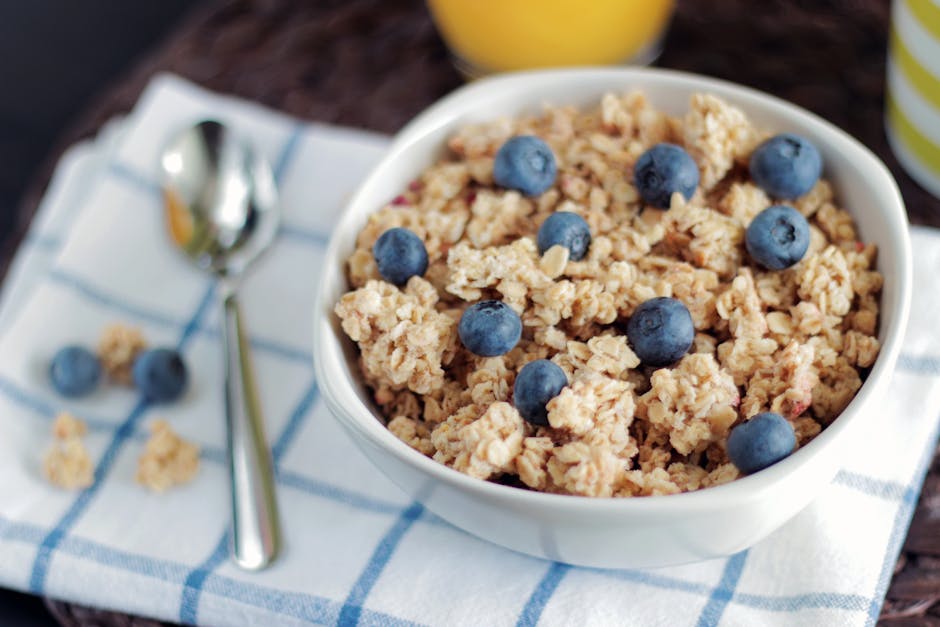
If you aren’t consuming enough fiber from your diet, a fiber supplement fills that critical gap. Probiotics can complement fiber but rarely replace the benefits of adequate dietary fiber.
That said, some situations justify probiotic use: recent antibiotic treatment, travel-related digestive disruption, or specific clinical conditions. Otherwise, a well-rounded diet plus fiber supplementation if needed is usually sufficient.
Supplement Quality Matters: Beyond Fiber and Probiotics
While we're on the topic, knowing what to look for in supplement quality can save you money, disappointment, and health frustration.
Certification and Transparency
- Joy Organics stands out for maintaining transparency in third-party testing, whether for CBD or other wellness supplements. This approach applies across categories—look for companies who publicize COAs clearly.
- NSF and USP certifications ensure your supplement contains what the label says without contaminants, a critical factor when regular supplementation impacts your health long-term.
Sleep Support and Magnesium Form Choice
Gut and overall health also benefit from well-supported sleep. Many people overlook the magnesium form they take. For example, magnesium citrate is more bioavailable but can have a laxative CBD wind down effect (which might be fine if you also want digestion support), whereas magnesium glycinate is gentler and better for sleep without affecting your stools.
Creatine for Aging, Strength, and Managing Water Weight Expectations
Switching gears: Creatine isn't a gut supplement, but it gets mentioned in aging and strength conversations frequently. It can improve muscle performance as you age without dramatically increasing water retention as myth suggests—if you monitor intake properly.
Mushroom Supplement Quality and Labeling
Another trending category is mushroom supplements. However, quality is all over the place. When considering these, see if the label specifies the fruiting body (the actual mushroom part) versus mycelium grown on grain (less potent and sometimes underdosed). Also, check for beta-glucan content, a key immune-boosting compound, which companies like Joy Organics or other reputable brands might clearly state.
Summary Table: Fiber vs Probiotics for Gut Health
Factor Fiber Supplement Probiotics Main Role Feeds existing gut bacteria, improves stool bulk and regularity Adds live beneficial bacteria, restores microbial balance Results Timeline Gradual with consistent use over weeks/months Varies; often short-term effects, not permanent colonization Supplement Form Powders, capsules (e.g., psyllium, inulin) Capsules, liquids, fermented foods Quality Concerns Check for dosage transparency, minimal fillers, and COA access Avoid proprietary blends, confirm CFU count and strains, NSF/USP certification helpful When to Use Low dietary fiber intake, constipation, digestion support After antibiotics, travel, specific gut dysbiosis Taste and Texture Some fiber (psyllium) tastes chalky or gritty; mixing helps Generally neutral; some fermented products taste sourFinal Takeaway
Choosing between a fiber supplement vs probiotics for gut health isn’t about picking a winner for every situation. For most people aiming for digestion support and a balanced gut microbiome, prioritizing fiber intake (through diet and quality supplements) lays the foundation, while probiotics can provide targeted benefits in specific circumstances.
Being skeptical of overhyped marketing promises, insisting on full ingredient disclosure, and seeking brands like Joy Organics that publish transparent testing will keep you a savvy consumer. And remember: supplements work best as gap fillers complementing a healthy diet and lifestyle, not as quick transformations or miracle cures.
Ready to take control of your gut health? Start by checking your fiber intake first, hunt for a reputable supplement with accessible COA info, and consider probiotics only if you find a reason rather than buzz. Your digestive system (and your whole body) will thank you.