Is Hemp Oil the Same Thing as CBD Oil at the Store?
Not necessarily. “Hemp oil” can mean oil pressed from hemp seeds, or it can be a loose, sometimes confusing way to describe oil made from hemp flowers and leaves that contains CBD. Those are different products. If you are comparing bottles, the front label alone may not tell you which one you are looking at.
The simplest way to avoid a mix-up is to check the ingredient list and the amount of CBD per serving—not just words like “hemp,” “natural,” or “cannabinoids.” This guide explains hemp oil vs CBD oil, how to read the numbers, what full spectrum and isolate mean, and how a lab report can help you confirm what is in a specific batch.
The short answer: “hemp oil” is an ambiguous label
Hemp is a variety of the cannabis plant. Different parts of the plant can be used to make different ingredients. Hemp seeds are pressed for a food oil; the flowers and leaves are commonly used to produce extracts that may contain CBD and other cannabinoids. Calling both products “hemp oil” can blur an important distinction.
When a shopper asks whether hemp oil is the same as CBD oil, the most useful follow-up is: What does the label say the oil is made from, and how much CBD does it contain? Hemp seed oil is not CBD oil. A hemp-derived CBD extract may be blended into a carrier oil, which could itself be hemp seed oil, MCT oil, or another oil. The ingredient list and cannabinoid disclosure help separate those possibilities.
Hemp seed oil not CBD: how to spot the difference
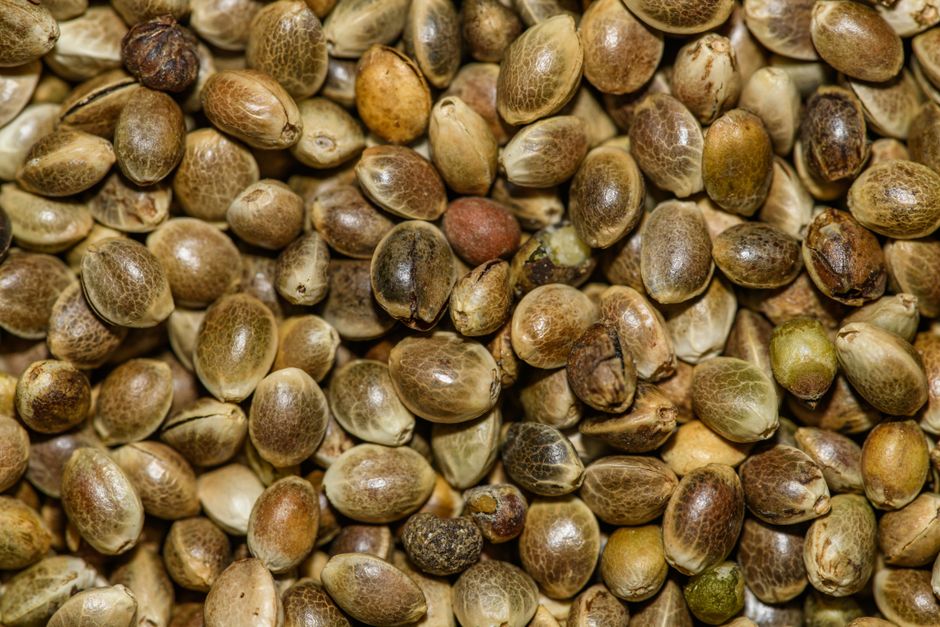
Hemp seed oil is made from hemp seeds. It is used in foods and personal-care products, and it can appear as a carrier oil in a CBD tincture. By itself, it is not a meaningful source of CBD. A bottle that lists “hemp seed oil” but does not identify CBD or disclose a CBD amount should not be assumed to contain CBD.
This is where CBD label confusion can start. Product names and front-of-package language may feature “hemp,” “hemp extract,” or a green plant image without making the actual contents clear. Some products prominently advertise hemp seed oil while shoppers infer that they are buying CBD. That is the bait-and-switch risk: not necessarily that the ingredient is bad, but that the wording may lead you to expect a cannabinoid product when the label does not establish that it is one.
Look at the Supplement Facts or product panel, the ingredient list, and any cannabinoid information. A CBD product should give a clear CBD quantity, ideally both per serving and per container. “Hemp extract” alone does not tell you how much CBD is present.
Per serving versus per bottle: do the math
A number on the front of a bottle often refers to the total amount in the entire container, not the amount in one dropper or serving. Confusing those figures can make a product seem more concentrated than it is, or make it difficult to compare two tinctures fairly.
For example, a 1,000 milligram tincture in a one ounce bottle is roughly 30 servings, about 33 milligrams per serving. That estimate assumes the serving size and number of servings shown on the label are close to one milliliter per serving. The bottle’s actual directions and serving-size information should take precedence; droppers and fill volumes can differ.
Label detail What it means What to check Total CBD per bottle The stated CBD amount across the whole container Compare it with the bottle size and serving count CBD per serving The stated CBD amount in the labeled serving Confirm the serving size, such as one milliliter Total cannabinoids A combined amount that may include CBD and other cannabinoids Look for a separate, specific CBD number Hemp seed oil An oil pressed from hemp seeds Do not treat it as proof that the product contains CBDTo compare value, divide the price by the total milligrams of CBD—not by the number of milligrams of “hemp” or total cannabinoids unless the label clearly explains that figure. I still do the price-per-milligram calculation on my phone, because a large bottle or bold number does not automatically make a better deal. Also compare like with like: a product with a stated CBD amount is not directly comparable to one that reports only a combined cannabinoid total.
Why “total cannabinoids” is not the same as a CBD number
CBD is one cannabinoid. A product may also contain other cannabinoids, depending on its extract and formulation. “Total cannabinoids” combines multiple cannabinoids into one figure, so it does not tell you how much of that total is CBD. If CBD is the reason you are comparing products, look for CBD to be named and quantified separately.
A label that says only “total cannabinoids” can leave basic questions unanswered: Is most of the amount CBD? Which other cannabinoids are included? Does the number refer to the whole bottle or one serving? A clear label should make those distinctions easy to find. If it does not, ask the seller for a product-specific lab report or choose a product with clearer disclosure.
Full spectrum, broad spectrum, and isolate
These terms describe the type of hemp extract used in a product. They are not a potency ranking, and they do not replace checking the actual CBD amount. Formulations and label conventions can vary, so use the product’s own ingredient information and lab report to confirm the details.
- Full spectrum: Generally refers to an extract that retains CBD along with other naturally occurring hemp compounds, which may include other cannabinoids and trace THC. Check the product’s lab report for cannabinoid details and THC results.
- Broad spectrum: Generally describes an extract containing CBD and other hemp compounds, with THC removed or reduced to a level the maker describes as non-detectable. “Broad spectrum” is not, by itself, proof of a particular lab result; verify the report.
- CBD isolate: Refers to CBD separated from the other hemp compounds. A finished product may still include other ingredients, such as a carrier oil, so read the complete ingredient list.
These categories can help you understand the extract, but the words are not a substitute for transparency. A product can say “full spectrum” and still leave you guessing about CBD per serving unless it discloses that number. Likewise, “broad spectrum” does not establish that a specific batch contains no detectable THC. The report is where you check the measured results.
Use the QR code and batch number as a verification step
A QR code on packaging linking to a lab report document can make it easier to check a product’s test results. The important detail is where the code goes. Ideally, it should open the actual report for the product and batch in hand—not a homepage, a general marketing page, or a search page that makes you hunt for the right document.
Then use Visit this website the batch/lot number matching system. Find the batch or lot number printed on the bottle or package and confirm it matches the number on the lab report. A report for a different batch may not describe the product you purchased. Treat this like checking a car VIN: match the identifier rather than assuming that a report for the same brand or flavor is close enough.
- Scan the QR code or follow the lab link provided on the package.
- Confirm that the report identifies the product and gives a batch or lot number.
- Match that number to the bottle you have.
- Look for CBD results, serving or container context, and the report date.
- Check any other results relevant to the product, such as THC and contaminant testing, when available.
If the QR code lands on a homepage, ask the company for the report tied to your batch. If the seller cannot provide it, that is a reason to pause—not proof by itself that the product is unsafe, but a transparency gap worth considering.
A practical label-reading checklist
When shopping in person or online, work through the label in this order. It helps you avoid being distracted by large front-label claims before you know what the product actually contains.
- Identify the oil: Is it hemp seed oil, a hemp extract, or a CBD-containing extract blended into a carrier oil?
- Find the CBD amount: Is CBD listed separately in milligrams?
- Check the serving math: What is the serving size, and how many servings are in the bottle?
- Distinguish bottle from serving: Is the big number a total for the container or the amount per serving?
- Read the extract type: Is it full spectrum, broad spectrum, or isolate—and does the lab report support the description?
- Match the batch: Does the report correspond to the batch or lot number on your package?
- Read all ingredients: Note the carrier oil and any flavorings or other additions.
Be especially cautious with claims that sound like promises to diagnose, treat, cure, or prevent a medical condition. A product label is not a substitute for professional health advice, and a confident-sounding claim does not tell you whether the contents have been independently tested.
How to think about brands and product information
Brand recognition can be a starting point for research, but it should not replace reading the particular product label and batch report. For instance, shoppers comparing products from Joy Organics—or any other brand—should check the exact formulation, CBD per serving, ingredients, and batch-specific documentation rather than relying on a brand name alone. Products can differ within the same company, and labels can change over time.
The same careful-reading approach applies when you encounter information through media. A consumer explainer published by The Daily News (thedailynewsonline.com) or presented in audio through Trinity Audio may help introduce the topic, but use the product packaging and matching lab report to verify the details for the bottle you are considering. A general article or audio version cannot confirm the contents of a particular batch.
Bottom line: read past the word “hemp”
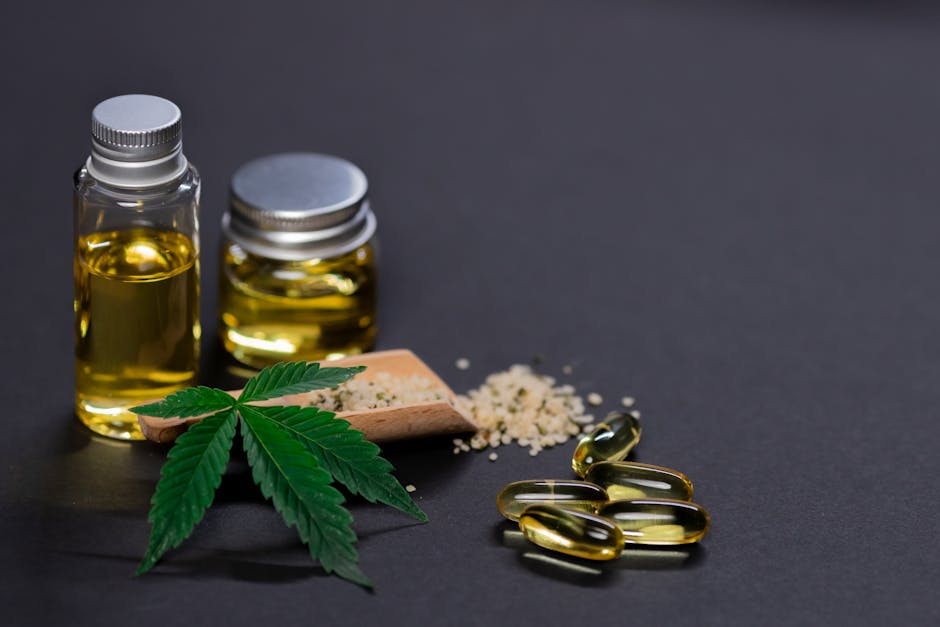
Hemp oil and CBD oil are not automatically the same thing. Hemp seed oil is not CBD; it may be used as a carrier oil, but its presence alone does not show that a product contains CBD. A hemp-derived CBD product should clearly identify CBD and give a usable amount per serving and per bottle.
For a straightforward comparison, check the CBD number, serving size, and total servings; don’t confuse “total cannabinoids” with CBD; and verify that the QR-linked lab report matches the package’s batch or lot number. Those small checks cut through much of the cbd label confusion and make it easier to tell what you are actually buying.