Stairs Feel Slippery When Humid? What Can I Change?
Living in a humid climate, many homeowners face a common but often overlooked problem: humid stair slip. If your stairs suddenly feel slick or unsafe whenever the air is damp, you’re not alone. Slippery stairs are not just a nuisance—they can be a real hazard, especially for families with children or elderly members.
In this post, I’ll break down practical solutions that go beyond the typical advice of “clean better” or “choose quality materials.” Drawing on my 11 years of translating contractor-speak into clear advice for humid-climate homeowners, I’ll cover how home design acts as a health driver, what materials work best for hygiene and moisture resistance, and why proper ventilation and airflow planning are crucial. You’ll also learn about how layout and detailing affect mould prevention—because mould is often the sneaky culprit behind slippery stairs, not just surface water.
Why Do Stairs Get Slippery in Humid Conditions?
Humidity introduces moisture into your home’s air and surfaces. When combined with certain materials, this moisture leads to a slick feeling or even visible dampness on stair treads and handrails. Common contributors include:
- Condensation settling on cool, hard surfaces like tiles or polished wood
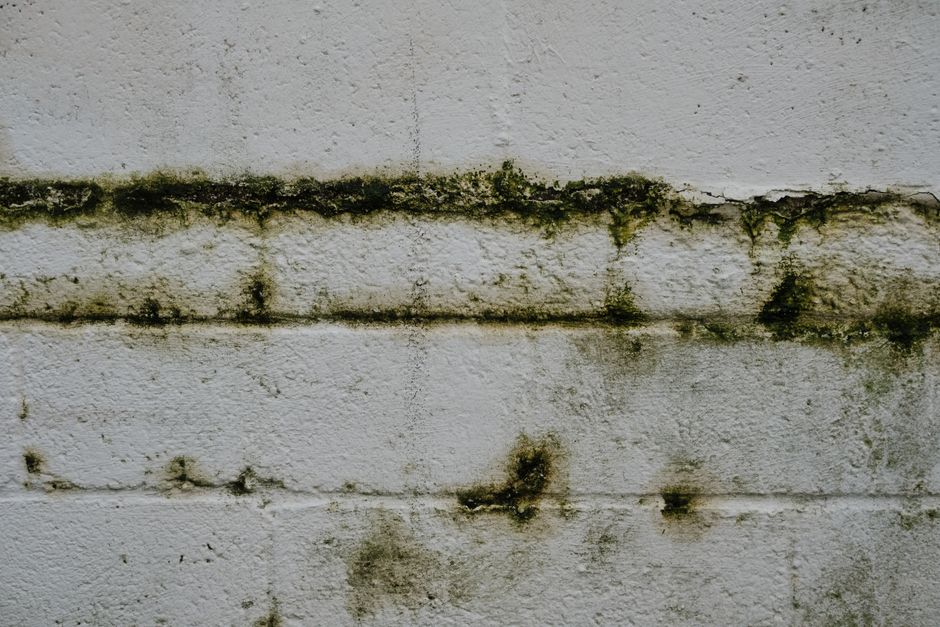
- Hidden mould on the backs or undersides of stair nosings, creating a slimy film
- Inadequate airflow trapping moisture around the staircase area
- Slick finishes that become more slippery under moist conditions
Many homeowners don't realize that slippery stairs are not just a “cleaning problem” but often a symptom of underlying moisture or ventilation issues. Ignoring humidity’s role can lead to repeated fixes with inferior results.
Home Design as a Health Driver: More Than Just Aesthetics
Your home’s design is fundamental in preventing problems that directly affect your family's health and safety. A Find more info staircase that is grip friendly is a simple example of design helping physical well-being.
Here are key principles to consider:
- Plan for airflow and ventilation around the stairs: If your staircase sits in an enclosed or poorly ventilated area, moisture will linger longer. Design staircases near windows or vents to encourage cross-breezes and airflow.
- Use layout to avoid ‘cool spots’: Cold surfaces tend to collect condensation. Avoid staircases installed adjacent to cold exterior walls without proper insulation.
- Integrate moisture-resistant detailing: Proper sealing of joints, corners, and edges around stairs prevent water ingress and mould-friendly conditions.
Materials for Hygiene and Moisture Resistance on Stairs
Choosing the right materials is critical to safety and maintenance in humid climates. Some materials simply aren’t grip friendly when moist, while others inherently resist mould and condensation.
Material Grip & Slip Resistance in Humidity Moisture & Mould Resistance Maintenance Notes Natural Wood (unfinished or matte finish) Moderate to good grip if textured; polished wood can be slippery Susceptible to mould if not treated Requires regular sealing with water-resistant coatings Textured Ceramic Tiles Good grip when textured or anti-slip coated Highly moisture resistant, but grout joints can harbour mould Choose epoxy grout to reduce mould risk Vinyl or Rubber Stair Treads Excellent grip, even when wet Waterproof and easy to clean Replace worn treads promptly Natural Stone (e.g., granite) Polished stones slippery when moist; honed surfaces better Very moisture resistant Use anti-slip coatings Concrete (unfinished or broom finish) Good grip if textured Strong moisture resistance, but joints must be sealed Periodic sealing recommendedPro tip: Look for products explicitly rated for anti slip stair surface use in wet areas. Coatings or tapes with high friction coefficients are widely available and often worth the investment.
Ventilation and Airflow Planning in Humidity: Reducing Slippery Risks
Without proper ventilation, humidity and moisture pile up on stair surfaces. Here’s a checklist to improve airflow:
- Cross-ventilation: Ensure at least two openings, like windows or vents, to create airflow. Stairs near enclosed corridors benefit greatly from this.
- Exhaust fans: Especially for enclosed stairwells or those adjacent to humid bathrooms, install fans to actively remove moist air.
- Window placement and design: Include operable windows or louvres near stairs to enable fresh air entry.
- Ceiling fans: Encourage air movement to prevent condensation settling.
- Avoid clutter: Keep stair landings and underneath spaces clear—stuffed areas trap dampness and limit airflow.
In my notes titled "things that cause mould for no reason", poor ventilation always ranks highly. Moisture needs an escape route just as much as the stairs need a safe surface.
Mould Prevention Through Layout and Detailing
Mould on stairs is not just an unsightly problem—it creates slippery biofilms https://smoothdecorator.com/step-free-transitions-in-a-home-are-they-worth-it/ that decrease traction and pose health risks. Prevention is better than remediation.
Here's what to focus on:
- Avoid water traps: Design stair edges and junctions to prevent water pooling. Sloped landings and non-absorbent skirting boards help.
- Seal edges carefully: Use moisture-proof sealants on stair nosing and between stair treads and walls to block moisture ingress.
- Minimize enclosed storage under stairs: Enclosed storage beneath stairs can be a moisture trap if poorly ventilated.
- Inspect and maintain drainage: For exterior stairs, ensure drains are clear and direct water away from stair areas.
- Use mould-resistant paints and primers: Especially in humid settings, these coatings reduce fungal growth on painted surfaces.
A Note on Lighting
While not directly related to slipperiness, I always notice bad stair lighting in humid homes contributes to safety risks. Moist, slick steps plus poor visibility are a recipe for accidents. Upgrade to bright, glare-free LED lights. Motion sensors can add convenience and improve safety, especially in night conditions.
Summary Checklist: Fixing Humid Stair Slip and Creating Grip Friendly Stairs
- Improve ventilation and airflow around your staircase.
- Choose moisture-resistant, textured materials or apply anti-slip coatings/treads.
- Seal joints, edges, and corners to prevent water ingress.
- Design stair layout to avoid condensation traps and promote water drainage.
- Regularly clean and inspect for mould, especially hidden spots under nosings.
- Upgrade lighting to enhance visibility and safety.
- Consider hiring a professional to assess humidity and airflow for long-term solutions.
Further Resources and Staying Connected
If you’re looking for ongoing home health tips and updates on humidity-related home safety, check out the YourHealthDMV Facebook page. They often share practical health-driven home advice.
For professional home design and renovation insights, including more on humidity conscious planning, connect with interior designers and experts on LinkedIn. Staying connected with the community is the best way to keep your home both beautiful and safe.
Closing Thoughts
Slippery stairs in humid conditions are a sign your home needs a moisture and design rethink—not just a surface fix. A grip friendly stair is achievable through intentional material selection, detailed moisture-proofing, and smart ventilation planning. Don’t settle for vague advice or “choose quality materials.” Look at what works specifically in a humid environment.
Keep a close eye on mould—not just on the visible surfaces but also in hidden areas that are notoriously mould-friendly. And don’t forget lighting: it’s the unsung hero of stair safety in any climate.
Your home isn’t just a place to live; it’s a health driver. Start from the stairs and build a safer, drier, and more comfortable home for your whole family.