What Are Quick Breathing Exercises I Can Do in Bed?
Sleep is the foundation of overall health. For women, it can be especially tricky to get a good night’s rest due to hormonal shifts, mental load, and life-stage challenges. If you find yourself tossing and turning, or struggling with bedtime anxiety, simple deep breathing exercises can help you fall asleep faster and enjoy more restorative rest. In this post, we’ll explore quick breathing techniques you can do right in bed, tailored especially for women’s unique sleep needs.
Why Sleep Matters — Especially for Women
Sleep isn’t just “rest.” It supports every part of your body and mind:
- Hormonal balance: Sleep regulates key hormones like cortisol, melatonin, and estrogen.
- Mental health: Good sleep lowers anxiety and mood swings.
- Immunity: Deep sleep helps your immune system repair and regenerate.
- Memory and focus: Sleep consolidates learning and improves concentration.
But women face unique hurdles to quality sleep throughout different life stages:
- Menstrual cycle: Hormone fluctuations can disrupt sleep patterns just days before your period.
- Pregnancy: Physical discomfort and changing hormones affect sleep quality.
- Perimenopause and menopause: Hot flashes, night sweats, and declining estrogen often cause frequent awakenings.
- Mental load and bedtime anxiety: Women frequently juggle family, work, and emotional labor, which can produce racing thoughts at night.
Understanding womeninbalance.org these challenges means you can take extra steps to protect your sleep — starting with relaxation techniques that help your nervous system calm down and prepare for restful slumber.
How Hormones Affect Sleep Quality
Women’s sleep quality often tracks with hormone shifts because hormones like estrogen and progesterone influence the brain’s sleep centers:
- Estrogen: Helps increase REM sleep, which is important for learning and mood.
- Progesterone: Acts like a mild sedative and can promote deeper non-REM sleep.
- Cortisol: The stress hormone that should drop at night but may stay elevated, keeping you awake.
- Melatonin: The “sleep hormone” that signals when it’s time to rest yet can be suppressed by stress or irregular schedules.
For many women, these hormonal fluctuations mean it’s a good idea to track your sleep alongside your cycle or life stage. The Women In Balance sleep calculator is an excellent tool that helps you calculate your ideal sleep timing based on your biology as a woman.
The Mental Load and Bedtime Anxiety: Why Deep Breathing Works
The "mental load" of managing household, work, kids, and personal health can lead to racing thoughts and bedtime anxiety — making it hard to fall asleep. This is where deep breathing exercises shine. They:
- Activate the parasympathetic nervous system (your "rest and digest" mode).
- Lower heart rate and blood pressure.
- Reduce production of cortisol and adrenaline, calming your mind.
- Help shift focus away from anxious thoughts toward bodily sensations.
You don’t need to dedicate a long time to make a difference. Just a 10-minute wind-down routine with breathing exercises has been shown to improve relaxation and promote faster sleep onset.
Quick Breathing Exercises You Can Do Right in Bed
These exercises require no equipment — just your breath and a few minutes before you intend to sleep. Try to keep your phone off and your bedroom dim, so you’re not distracted.
1. Diaphragmatic (Belly) Breathing
This technique teaches you to breathe deeply into your diaphragm, which stimulates relaxation.
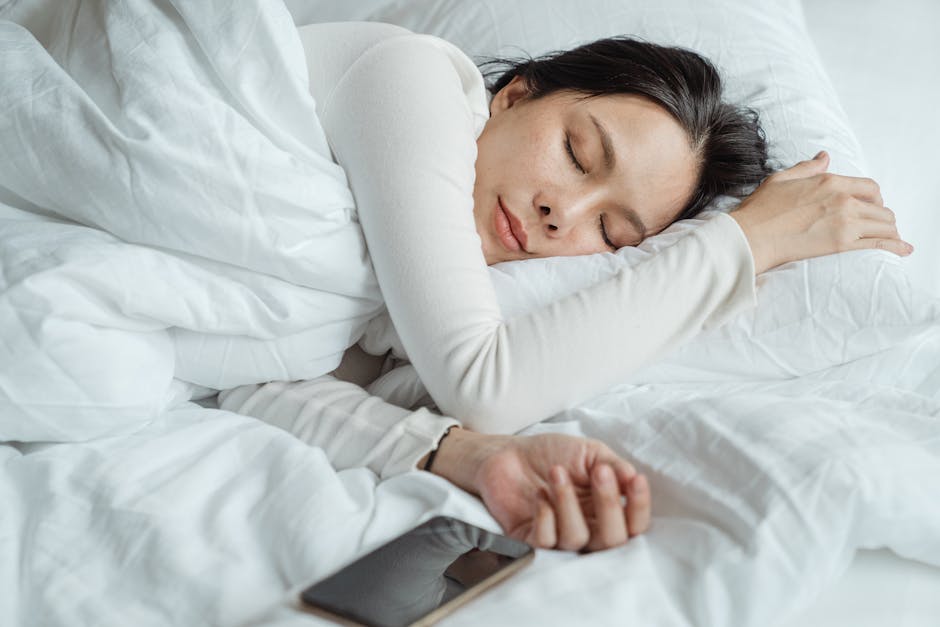
- Lie comfortably on your back with one hand on your belly and one on your chest.
- Inhale slowly through your nose for a count of 4, feeling your belly rise under your hand (your chest should move little).
- Hold your breath for a count of 2.
- Exhale slowly through your mouth for a count of 6, feeling your belly fall.
- Repeat for 5-10 minutes.
Tip: If your mind wanders, gently bring your attention back to the rising and falling of your belly.
2. Box Breathing (Four-Square Breathing)
This rhythmic breathing helps regulate your nervous system and slows hurried thoughts.
- Inhale quietly through your nose for a count of 4.
- Hold your breath for a count of 4.
- Exhale slowly through your mouth for a count of 4.
- Hold your breath again for a count of 4.
- Repeat the cycle 4-6 times.
Tip: Imagine tracing sides of a square as you breathe — this mental image can boost focus and relaxation.
3. 4-7-8 Breathing
Popularized by Dr. Andrew Weil, this exercise promotes deep relaxation by lengthening your exhale.
- Breathe in quietly through your nose for a count of 4.
- Hold your breath for a count of 7.
- Exhale completely through your mouth, making a whooshing sound, for a count of 8.
- Repeat the cycle 4 times when starting out, gradually increasing if comfortable.
Tip: This technique may cause mild dizziness at first; stop if you feel uncomfortable and try again the next night.
4. Alternate Nostril Breathing (Nadi Shodhana)
This breath balancing technique can reduce stress and promote mental clarity, helping ease bedtime anxiety.
- Sit or lie comfortably and use your right thumb to close your right nostril.
- Inhale slowly through your left nostril for a count of 4.
- Close your left nostril with your ring finger and hold your breath for a count of 4.
- Release your right nostril and exhale slowly for a count of 6.
- Inhale through your right nostril for 4 seconds.
- Close your right nostril; hold breath for 4 seconds.
- Release left nostril and exhale for 6 seconds.
- Repeat for 5 cycles.
Tip: Keep your breath even and smooth; the goal is soothing rhythm, not force.
Creating a 10-Minute Wind-Down Routine With Breathing and Journaling
Because I always suggest a 10-minute wind-down routine (it sounds doable!), here’s a sample bedtime ritual combining quick breathing exercises with a brain dump journaling practice to unload racing thoughts from your mind:
- Lie in bed and do 5 minutes of Diaphragmatic Breathing, focusing on your belly rising and falling.
- Reach for your notebook (keep one by your bed) and spend 3-4 minutes listing whatever is on your mind — worries, to-dos, reminders.
- End with 1-2 minutes of 4-7-8 Breathing to calm your nervous system.
This simple combo helps you relax physically while clearing mental clutter, making it easier to fall asleep faster and sleep more soundly.
Tracking Your Sleep for Better Results
To personalize your approach, consider using the Women In Balance sleep calculator. It’s designed to help women sync sleep timing with their hormonal cycles and life stage, offering tailored guidance.
Life Stage Sleep Challenges Breathing Exercise Recommendation Menstrual Cycle Pre-period insomnia, hormone dips Diaphragmatic breathing to calm physical discomfort Pregnancy Physical discomfort, anxiety Box breathing to steady the nervous system Perimenopause/Menopause Hot flashes, night sweats, hormonal shifts 4-7-8 breathing to promote relaxation despite disruptions High Mental Load Bedtime anxiety, racing thoughts Alternate nostril breathing + journaling combo
Final Thoughts: Build Habits That Honor Your Unique Sleep Needs
Miracle sleep solutions are rare — and vague advice like “just relax” often feels frustratingly empty. Breathing exercises are simple, backed by science, and fit easily into your bedtime routine. By pairing them with tools like the Women In Balance sleep calculator and keeping a small notebook beside your bed for mental dumps, you give your nervous system and hormones the best chance to support deep, restorative sleep.
Try setting aside just 10 minutes before lights out for a gentle breathing practice. Over time, you’ll likely find it easier to fall asleep faster, reduce stress, and wake feeling more refreshed — a real win for your overall wellness.
```